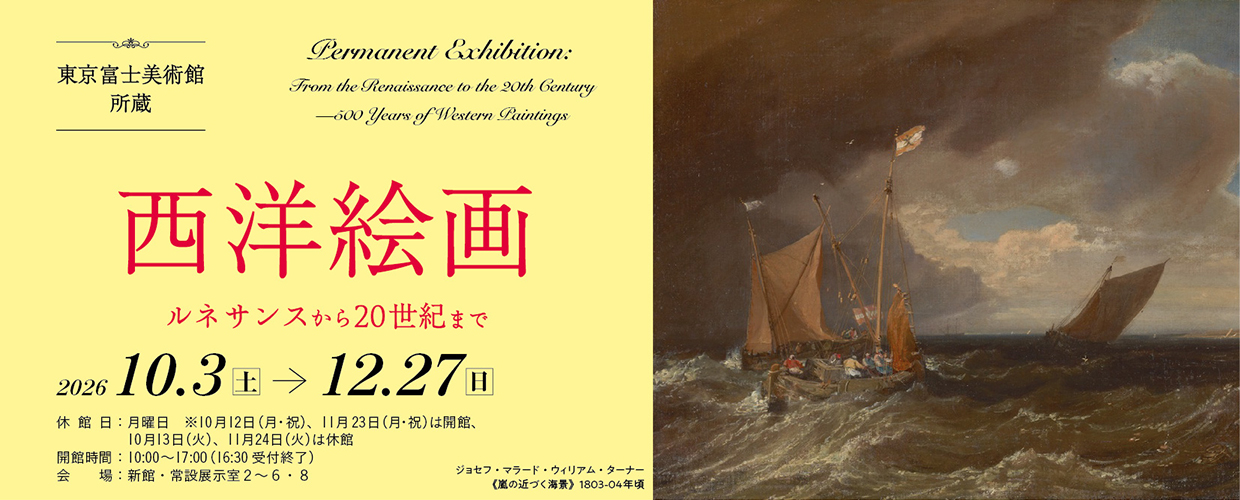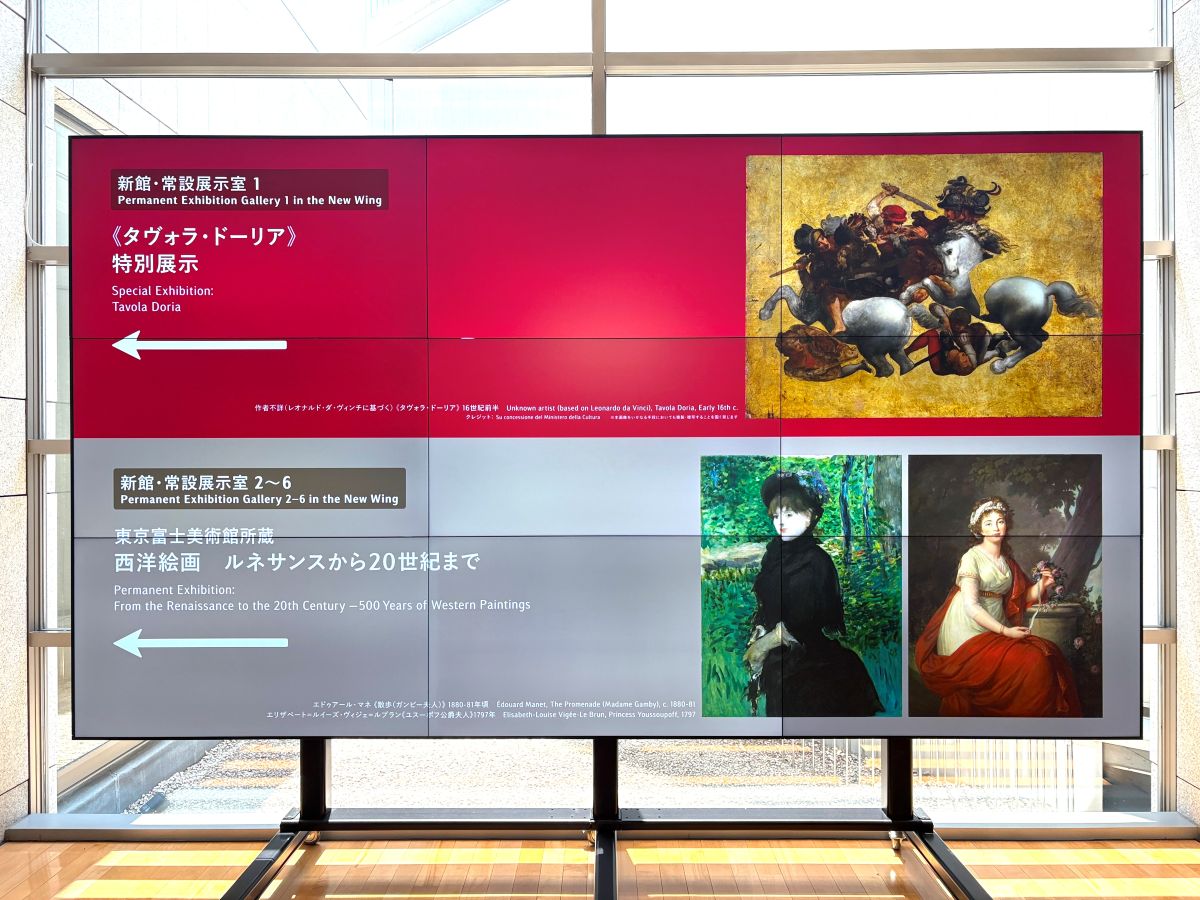
As of May 13, 2026, the Tokyo Fuji Art Museum is displaying 15 of Léonard Foujita’s “La Rivière enchantée” (“The Enchanted River”) etchings series featured in the “From the Renaissance to the 20th Century—500 Years of Western Paintings” exhibition held at the New Wing’s Permanent Exhibition Gallery 7. Born Tsuguharu Fujita in 1886 in Japan, the artist studied Western painting before moving to Paris in 1913 at the age of 26, where he developed a unique style incorporating elements of both Japanese and European traditions.
While residing in the city’s artistic Montparnasse community, he not only adopted the more French-sounding name of Léonard Foujita, he befriended Italian painter-sculptor Amedeo Modigliani and other École de Paris painters. In that time, Foujita’s nude paintings gain a following for their “milky-white skin.” He returned to Japan in 1933, where his fortunes would unravel, not for a shortfall of talent, but for becoming an official war artist for the Japanese militarist regime. His collaboration with the wartime government drew increasing criticism from his peers and the public, leading him to return to France in 1950.
In 1951, Foujita and René Héron de Villefosse, former director of the Museum of the City of Paris and archivist‑paleographer, partner in the publication of an illustrated book limited to just 315 copies. Foujita contributed the book design and illustrations, capturing with poetic richness the historical architecture, cityscape and people of his beloved city. Foujita’s etchings on display were produced during his second stint in France.